You stand in the middle of your home and look around. The kitchen counter is buried. The bedroom wardrobe will not close properly. There are things on the hallway floor that have not moved in three weeks. You want to fix all of it — but you do not know where to start, and every time you begin somewhere, it seems to make the rest of the house feel worse before it feels better.
That feeling is not a motivation problem. It is a sequencing problem. The order in which you organize your home matters far more than most people realize, and starting in the wrong room is one of the most common reasons a whole-house organization attempt stalls halfway through. This guide walks you through the correct room-by-room sequence, the reasoning behind it, and exactly what to focus on in each space so that the momentum builds rather than collapses.
Why the Order You Organize In Actually Matters
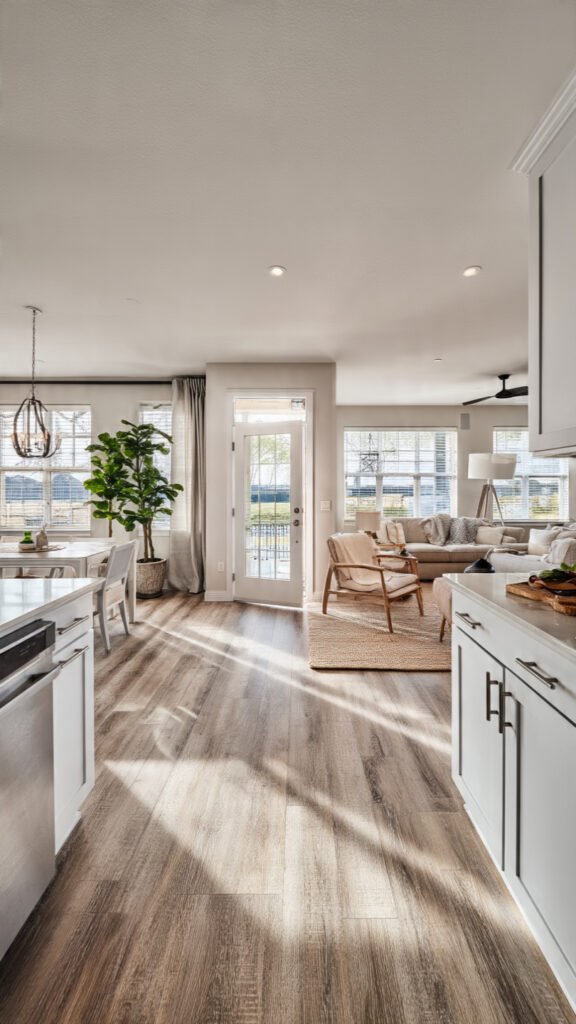
Here is the problem with starting in a random room: clutter does not stay where you put it. When you begin organizing the living room, displaced items migrate to the kitchen. When you tackle the bedroom, things end up in the hallway. When you sort the spare room, it temporarily holds everything from everywhere else. If you have already organized those spaces, you now have to do them again.
Professional organizers approach a whole home the way a surgeon approaches an operation — with a defined sequence that prevents cross-contamination. The logic is simple: start with the rooms that act as filters for the rest of the house, then work inward toward the rooms that only affect themselves.
There are also psychological factors at play. Starting with a quick win builds the momentum and confidence to tackle harder spaces. Starting with the hardest room first often leads to burnout before the house is halfway done. The sequence below is designed to give you early visible progress, steady momentum, and a logical flow that prevents you from undoing work you have already completed.
Room 1 — Start With the Entryway: The Filter Point of Your Home
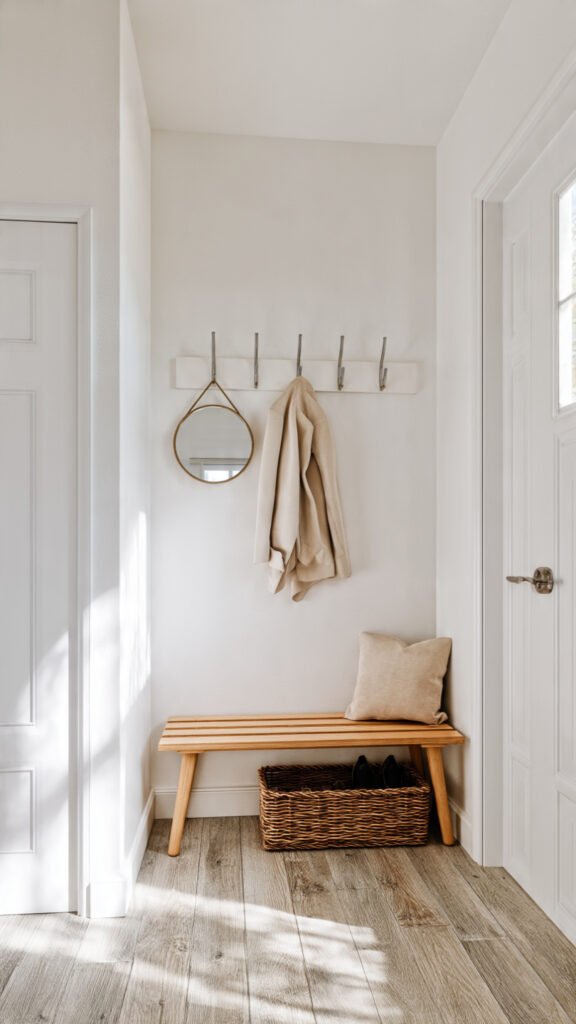
The entryway is where everything enters and leaves your home. Bags, shoes, coats, post, shopping, sports equipment — all of it passes through this point. When the entryway is disorganized, that disorder spreads into every other room because there is no system to catch and contain items at the door. Organizing it first means that everything coming into the house during your organization project has somewhere to go.
Focus on three things in the entryway:
- A hook system for outerwear: Wall-mounted hooks or a coat rack with enough hooks for every member of the household, plus two spare. If every coat has a hook, coats stop ending up on chairs and sofas throughout the house.
- A shoe system at the door: A low bench with storage underneath, a shoe rack, or even a basket designated for shoes. The rule is simple — shoes come off at the door and go directly into the system, not onto the kitchen floor or the bottom of the wardrobe.
- A drop zone for daily carry items: A small tray, bowl, or shelf for keys, wallets, sunglasses, and anything else that needs to be findable every morning. This one addition eliminates a significant amount of daily stress and searching.
The entryway does not need to be large to be functional. Even a single hook rail, a small shoe basket, and a tray on a narrow shelf will transform how the rest of the house feels the moment you walk in.
Room 2 — The Kitchen: The Heart of Daily Clutter
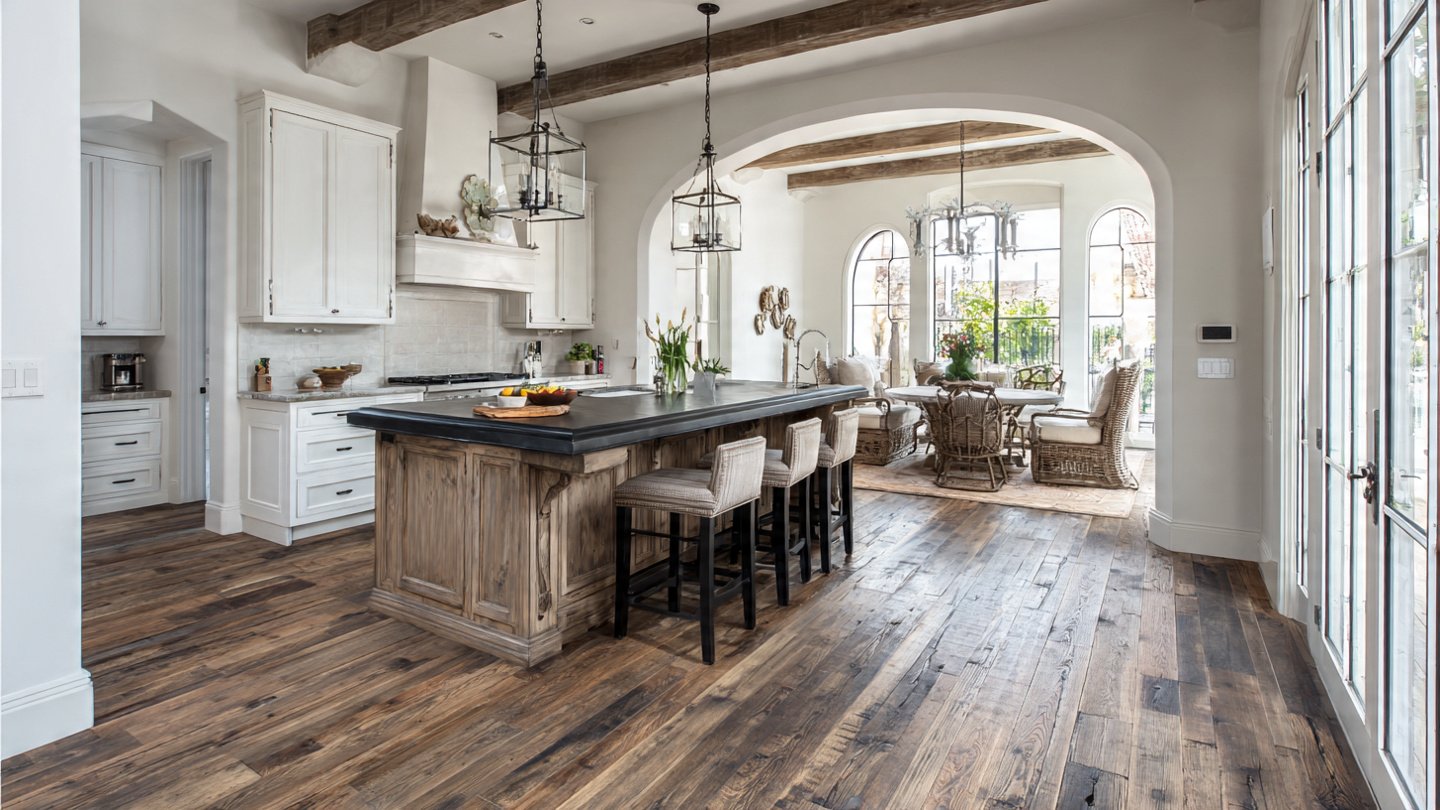
After the entryway, the kitchen is the room that most affects the rest of the house. Kitchen clutter migrates outward — dishes end up in the living room, shopping bags accumulate in the hallway, paperwork stacks up on the counter and eventually moves to the dining table. Getting the kitchen under control sends a ripple of order through several other spaces at the same time.
Work through the kitchen in this sequence:
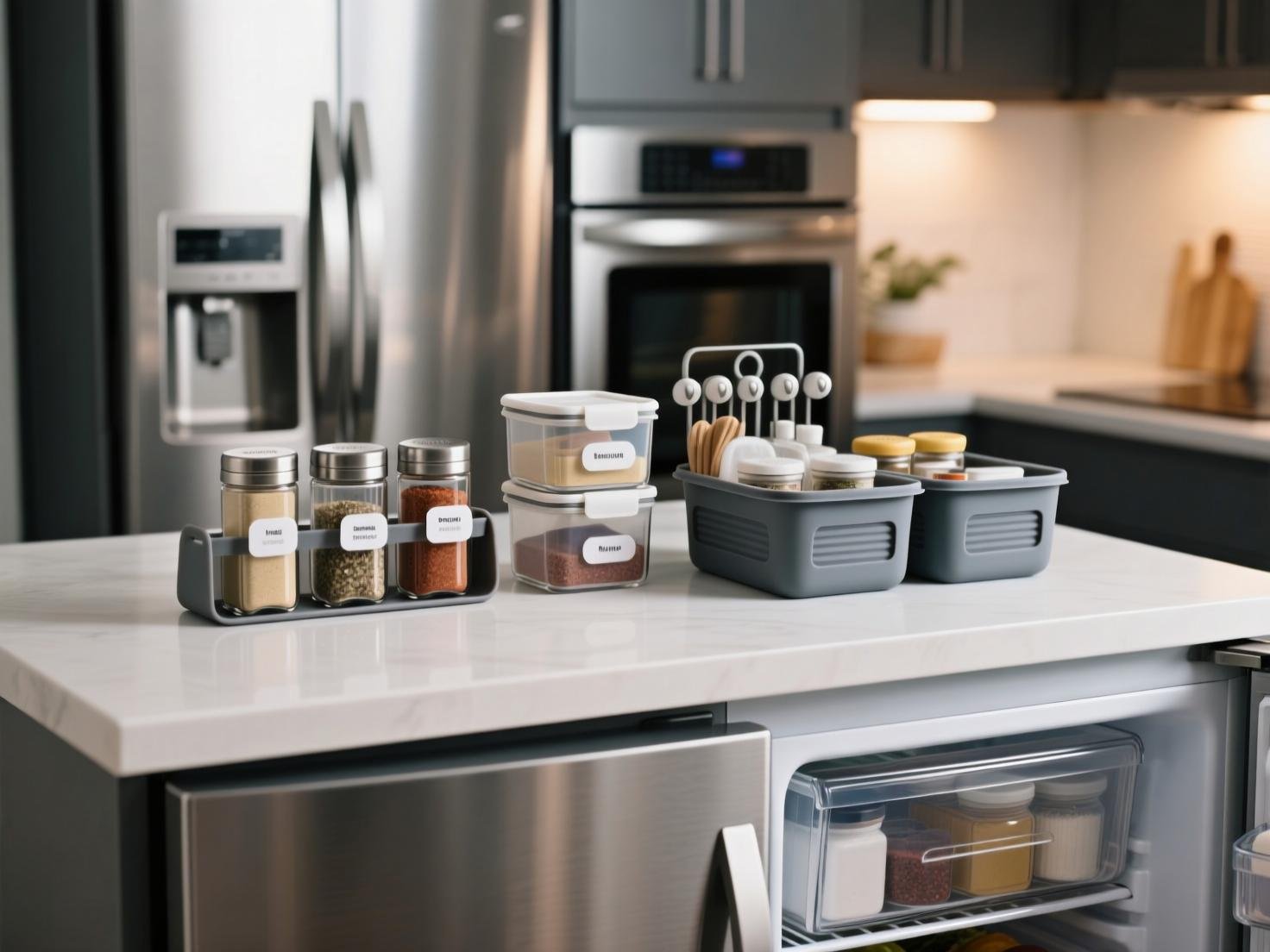
Clear the counters first. Everything that lives on the counter permanently needs to earn its place. If you use it less than once a day, it belongs in a cupboard. A clear counter is not just visually calming — it makes the kitchen faster to clean and easier to use, which reduces the likelihood of clutter building back up.
Then the pantry and food storage. Remove everything, check expiry dates, group by category, and return only what belongs. Use the same principle as clothes decluttering: if it has been there for a year untouched, it is not coming back into rotation.
Then the drawers and cupboards. The kitchen drawer that contains everything from rubber bands to spare batteries to a mystery key from 2019 is not storage — it is a holding bay for decisions that were never made. Make the decisions now, in this session, and the drawer becomes functional.
Resist the urge to buy new storage products for the kitchen before you have decluttered. In most cases, the existing cupboard space is sufficient — the problem is that it is occupied by things that no longer belong there.
Room 3 — The Master Bedroom: Your Reset Space
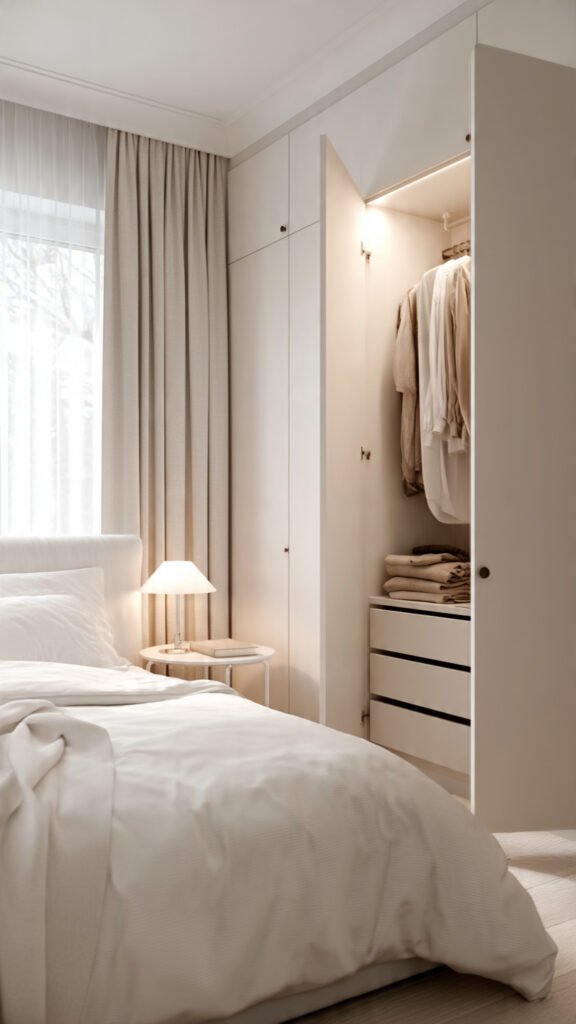
The bedroom is the room you begin and end every day in. When it is disorganized, it affects the quality of your sleep and your morning routine — both of which affect how well you function throughout the rest of the day. Organizing it third means the two rooms most responsible for daily chaos are already under control, and you can approach the bedroom with a clearer head.
Work through the bedroom in three layers:
The wardrobe and clothing storage first. This is almost always the biggest source of bedroom disorder. Follow the same declutter principle as everywhere else: remove everything, keep only what you wear, and return items in a deliberate category system. If your wardrobe has no built-in shelving, refer to a freestanding system guide before buying anything.
The bedside table second. The bedside table should hold only what you use in the last ten minutes before sleep and the first ten minutes after waking. Everything else is clutter. One book, one lamp, one phone charger, and perhaps a glass of water. That is the functional limit of a bedside table in a well-organized bedroom.
Under-bed storage third. Under the bed is legitimate storage space, but only for items in containers — never loose items scattered across the floor space. Vacuum bags for off-season clothing, flat storage boxes for spare bedding, or bed risers with dedicated bins are all appropriate. Random shoes, forgotten bags, and miscellaneous objects are not.
Room 4 — The Living Room: Make It Functional, Not Just Pretty
The living room is the room most people want to organize first because it is the most visible — it is where guests sit and where you spend your leisure time. But organizing it before the kitchen and bedroom means items from those rooms will migrate into it during the process, undoing your work. Done in the correct sequence, the living room is significantly easier to organize because the rest of the house is already under control.
The living room has two distinct organization challenges:
Daily-use clutter: Remotes, chargers, magazines, children’s toys, and the general debris of everyday life. The solution here is not more decorative baskets — it is a defined home for each category of item. A remote tray on the coffee table. A magazine rack. A designated toy storage solution. Each item should have exactly one place it lives when not in use.
Display and media storage: Books, media units, and display shelves tend to accumulate items that no longer serve a purpose. Clear the shelves completely and return only what you actively use or genuinely want on display. The visual noise of an overcrowded bookshelf is one of the most common reasons a living room feels chaotic even after it has been tidied.
The living room is also where most people have the most emotional attachment to objects. Take your time here. It does not need to become a showroom — it needs to function well for the people who actually live in it.
Room 5 — The Bathroom: The Quickest Win of the Whole House
The bathroom is typically the fastest room to organize in the entire house, and organizing it fifth is a deliberate psychological strategy. By the time you reach the bathroom, the bigger, harder rooms are done. The bathroom gives you a fast, satisfying completion that reinforces your momentum to finish the remaining storage areas.
Work through the bathroom in three areas:
Under the sink: This is where expired products, duplicate purchases, and forgotten items accumulate. Remove everything, discard anything past its use-by date or that you have not touched in six months, and return the rest in a simple category system — cleaning products together, personal care products together, spare stock together.
The medicine cabinet or bathroom shelf: Apply the same principle. Medications past their expiry date should be disposed of properly, not kept in case they are needed. A medicine cabinet should contain only current, in-date products that are actually used.
Towel storage and display: Rolled towels in a basket or folded towels on a shelf are both functional and visually tidy. The key is consistency — choose one method and maintain it. A single set of matching towels per person makes the bathroom feel more organized immediately, even if nothing else changes.
Room 6 — Storage Areas Last: The Garage, Shed, and Spare Room
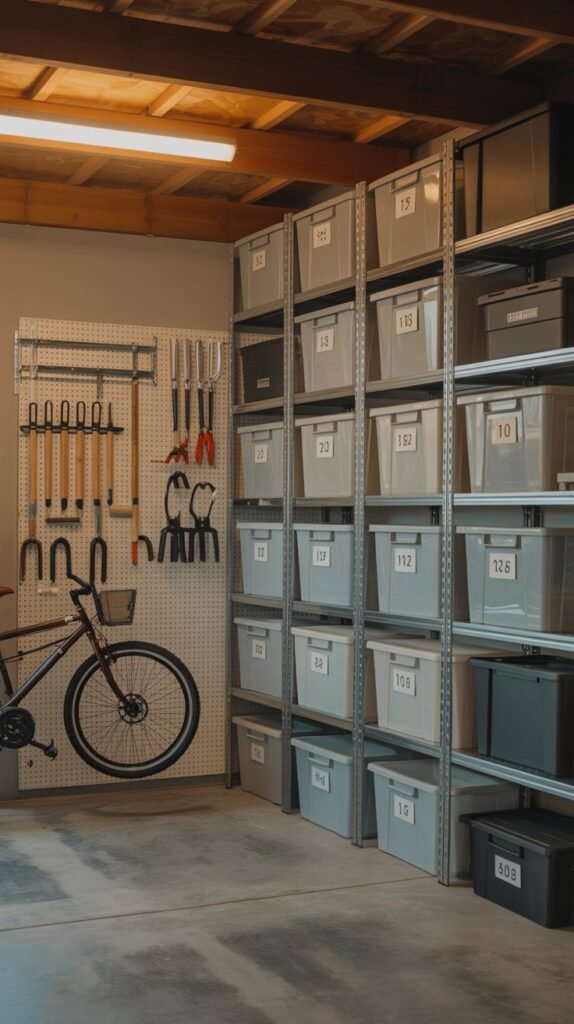
This is the rule that surprises most people: storage areas must always be organized last. The reason is counterintuitive but logical — during the process of organizing every other room in the house, displaced items, donation piles, and things that need a temporary home will naturally accumulate in your storage areas. If you organize the garage or spare room first, you will have to do it again once the rest of the house has been sorted.
By the time you reach the storage areas, you will have a much clearer picture of what actually needs to live there. Off-season clothing from the bedroom, rarely used kitchen appliances, sports equipment, tools — all of these now have context. You know what they are, how often they are used, and how much space they actually require.
Organize storage areas using the zone method:
- Frequency zones: Items used weekly near the front, items used monthly in the middle, items used once a year or less at the back or on high shelves.
- Category zones: All sports equipment together, all tools together, all seasonal decorations together. Never mix categories across zones.
- Clear labelling: Every container in a storage area should be labelled on the outside. The moment you cannot tell what is in a box without opening it, the storage area begins to deteriorate back into chaos.
The garage, shed, and spare room are also where you will stage your donation and disposal items during the whole-house process. Reserve a corner of one of these spaces from the very beginning as a staging area, and schedule a charity collection or tip run for the end of the project rather than letting bags accumulate indefinitely.
Frequently Asked Questions
What room should I organize first in my house?
Start with the entryway. It is the filter point for everything entering and leaving the home, and organizing it first prevents clutter from spreading into other rooms during the rest of the process. The kitchen is the second priority, as kitchen disorder migrates into the living room, dining room, and hallway more than any other space.
How long does it take to organize a whole house?
For an average three-bedroom home, a realistic timeframe is two to four full days of focused work — not two to four hours. Most people underestimate the time required because they account for the organizing but not the decision-making, the decluttering, or the physical movement of items. Spreading it across two weekends is a practical approach that prevents burnout.
Should I declutter before or after organizing?
Always declutter before organizing. Organizing items that should not be there in the first place is one of the most common reasons organization systems fail within a few months. The correct sequence in every room is: remove everything, declutter, then organize what remains. Buying storage products before decluttering almost always results in buying more than you need.
How do I stay motivated while organizing my home room by room?
Follow the sequence in this guide rather than choosing rooms by how much you want to tackle them. The sequence is designed to give you visible early wins — the entryway and kitchen show results quickly — and to build logical momentum. Take photographs before each room and after, as the visual comparison is one of the most effective motivation tools available. Schedule a break between rooms rather than pushing through exhaustion.
Final Thoughts
A whole-home organization project does not have to be overwhelming, but it does have to be sequenced correctly to succeed. Start at the entryway, move through the kitchen and bedroom, continue into the living room and bathroom, and save your storage areas for last. Each room you complete in the correct order makes the next one easier, faster, and less likely to be undone by the work that follows it.
The difference between a home that stays organized and one that returns to chaos within a month is almost never willpower — it is system design. Follow the sequence, make decisions as you go, and resist the urge to simply tidy rather than truly organize. The results will hold.