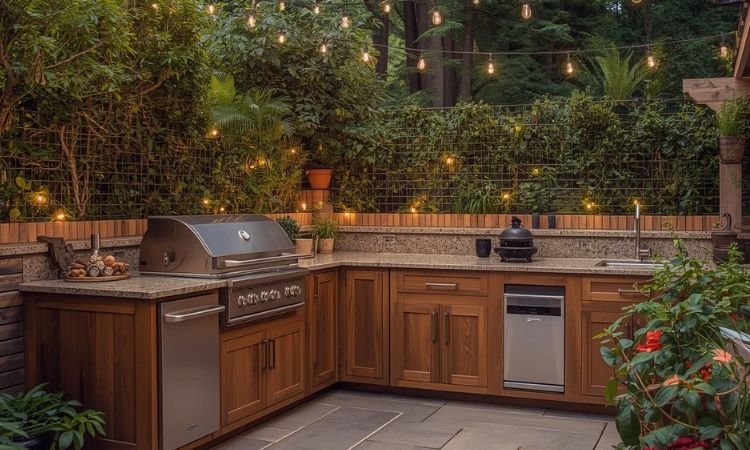
Outdoor cabinet failures cost homeowners $3,000-$8,000 in premature replacements with 70% of standard wood cabinets showing significant deterioration within 3-5 years from moisture damage, UV fading, and pest infiltration that warranties specifically exclude for exterior exposure. The expensive mistakes happen when indoor-rated materials face outdoor conditions they weren’t designed to handle.
Outdoor kitchen cabinets ideas reveal which materials and construction methods survive years of weather exposure versus attractive options that deteriorate rapidly outdoors. The best selections combine weatherproof construction with functional design creating storage that maintains appearance and utility through continuous sun, rain, and temperature extremes rather than requiring constant replacement.
We’re covering 10 outdoor kitchen cabinets ideas featuring materials and designs proven to withstand outdoor conditions. These durable approaches work across climates providing the weather resistance and lasting performance that makes outdoor cabinet investment worthwhile rather than becoming recurring expense.
Key points we’re exploring:
- Weather-resistant material options and their performance differences
- Construction features preventing moisture damage and pest problems
- Design considerations for outdoor-specific storage needs
- Ventilation requirements preventing mildew and odors
- Cost comparisons between cabinet types
- Maintenance realities for different materials
Essential Qualities of Outdoor Kitchen Cabinets
Marine-Grade Materials Resist Moisture Damage: Stainless steel, marine-grade polymer, or properly sealed hardwood construction withstands constant humidity, rain exposure, and temperature swings that warp, rot, or delaminate standard wood cabinets within 2-3 seasons. It’s like boat building where material ratings determine survival. The weather-appropriate construction maintains structural integrity through years of outdoor exposure preventing the $2,000-$5,000 replacement costs common with inappropriate materials.
Proper Ventilation Prevents Mildew Growth: Louvered doors, ventilation slots, or open shelving designs allow air circulation preventing the trapped moisture and mold growth that creates odors and health concerns within enclosed outdoor storage. It’s like attic ventilation where airflow prevents problems. The adequate ventilation maintains sanitary conditions despite humid outdoor environments.
Sealed Construction Blocks Pest Access: Tight-fitting doors, sealed drawer boxes, and gasket protection prevent insects, rodents, and wildlife accessing stored items that open gaps invite within weeks in outdoor settings. It’s like food storage where barriers determine protection. The sealed design maintains cabinet contents without pest contamination.
UV-Resistant Finishes Prevent Fading: Powder-coated metals, UV-stabilized polymers, or properly sealed wood with marine varnish maintain color and finish integrity through constant sun exposure that fades, chalks, or degrades standard finishes within 12-18 months. It’s like outdoor furniture where UV protection determines appearance longevity. The stabilized finishes justify premium costs through maintained aesthetics.
10 Outdoor Kitchen Cabinets Ideas
Create durable functional storage with these outdoor kitchen cabinets ideas featuring weather-resistant options that maintain performance outdoors.
Stainless Steel Cabinets
Install commercial-grade stainless steel cabinets providing ultimate weather resistance and professional appearance. The non-corrosive metal withstands any temperature, cleans easily, and lasts decades without sealing or special maintenance. It’s like restaurant equipment where durability justifies investment.
Choose 304-grade stainless minimum with 16-gauge thickness preventing denting. Include marine-grade hinges and drawer slides. Costs run $200-$500 per linear foot for quality stainless cabinets. This outdoor kitchen cabinets option delivers maximum longevity with zero rot or degradation concerns.
Marine-Grade Polymer Construction
Use high-density polyethylene (HDPE) or polymer cabinets designed specifically for marine and outdoor applications. The synthetic material resists moisture, insects, and UV damage while requiring no painting or sealing maintenance. It’s like composite decking where engineering solves natural material limitations.
Choose colors throughout material rather than surface coatings preventing fade visibility. Verify UV stabilization and lifetime warranties. Expect costs $150-$350 per linear foot for quality polymer systems. This outdoor kitchen cabinets choice combines durability with moderate pricing.
Teak Wood Cabinets
Build cabinets from solid teak providing natural beauty with inherent weather resistance. The dense hardwood contains natural oils repelling moisture and insects while aging to silvery patina or maintaining honey tones with seasonal oiling. It’s like yacht interiors where teak proves itself outdoors.
Use marine-grade hardware and stainless fasteners throughout. Apply teak oil annually maintaining color or allow natural weathering. Costs range $300-$600 per linear foot for solid teak construction. This outdoor kitchen cabinets option delivers premium natural appearance with proven outdoor performance.
Powder-Coated Aluminum Frames
Install aluminum frame cabinets with powder-coated finishes and stainless or polymer door panels. The lightweight rust-proof frames with durable coating provide weather resistance at moderate cost while variety of door materials allows customization. It’s like window frames where aluminum proves longevity.
Choose architectural-grade powder coating with 3-5 mil thickness. Include weep holes allowing moisture drainage. Expect costs $120-$300 per linear foot depending on door materials. This outdoor kitchen cabinets approach balances performance with budget through mixed materials.
Concrete Board Base Cabinets
Build custom cabinets using cement board or concrete substrate creating permanent weatherproof structures. The masonry construction finished with tile, stone veneer, or stucco provides ultimate durability and design flexibility while matching outdoor kitchen counters. It’s like permanent architecture where structure lasts indefinitely.
Include steel framing and proper drainage within cabinet boxes. Finish interiors with waterproof coating or tile. Costs run $180-$400 per linear foot for complete masonry cabinet construction. This outdoor kitchen cabinets option creates built-in permanence with complete customization.
Marine Plywood with Epoxy Seal
Construct cabinets from marine-grade plywood sealed with multiple epoxy coats creating moisture barrier. The quality wood substrate with proper sealing provides natural appearance at lower cost than solid hardwood while resisting moisture when properly maintained. It’s like boat building where technique enables wood use.
Use stainless hardware throughout and recoat every 2-3 years maintaining seal integrity. Include drainage holes in bottom boxes. Expect costs $150-$300 per linear foot for sealed marine plywood cabinets. This outdoor kitchen cabinets choice requires ongoing maintenance commitment but delivers wood warmth economically.
Modular Plastic Components
Assemble pre-manufactured plastic cabinet modules specifically rated for outdoor use. The interlocking units in various sizes allow custom configurations while lightweight construction enables DIY installation. It’s like storage sheds where plastic proves practical.
Verify UV stabilization and check reviews for durability. Anchor securely preventing wind damage. Costs range $800-$2,500 for complete modular outdoor kitchen cabinet sets. This outdoor kitchen cabinets option suits budget-conscious or temporary installations.
Open Shelving Systems
Install open stainless steel or sealed wood shelving eliminating doors and moisture trapping. The ventilated storage suits items tolerating exposure while preventing mildew issues enclosed cabinets face. It’s like commercial kitchens where open storage proves practical.
Use only for items handling weather exposure—grills tools, serving pieces, cleaners. Include drainage to ground level preventing standing water. Expect costs $50-$150 per linear foot for quality open shelving. This outdoor kitchen cabinets approach maximizes ventilation while minimizing moisture problems.
Hybrid Door Systems
Combine solid lower cabinets with louvered or slatted upper doors allowing airflow while protecting contents. The mixed approach provides enclosed storage where needed while ventilated sections prevent trapped moisture and musty odors. It’s like window shutters where slats allow air movement.
Position louvered sections for dishes and dry goods with solid doors for equipment. Choose stainless or powder-coated metal louvers. Costs run $180-$350 per linear foot for hybrid systems. This outdoor kitchen cabinets design balances protection with ventilation needs.
Repurposed Metal Lockers
Convert industrial metal lockers into outdoor kitchen storage. The heavy-gauge steel construction with ventilation slots and rust-resistant finishes provides weatherproof storage at bargain prices through surplus or architectural salvage sources. It’s like industrial chic where function becomes style.
Sand and repaint with outdoor metal paint refreshing appearance. Add shelving customizing interior for kitchen use. Expect costs $100-$300 per locker unit depending on source and size. This outdoor kitchen cabinets option delivers character and durability economically.
Designing Outdoor Cabinet Systems
Plan Adequate Drainage: Include weep holes, raised toe kicks, or open bottoms allowing water drainage preventing pooling that causes rust, rot, or mold regardless of material quality. It’s like foundation drainage where water management determines longevity. The proper drainage prevents most outdoor cabinet failures.
Size for Actual Storage Needs: Inventory items requiring outdoor storage—propane tanks, grilling tools, serving pieces, cleaning supplies—before determining cabinet quantity preventing over-building expensive cabinets that remain empty. It’s like closet design where capacity should match contents. The appropriate sizing prevents wasting money on unused storage.
Include Adequate Clearance: Position cabinets minimum 6 inches above ground preventing ground moisture contact and splash damage that accelerates deterioration even with quality materials. It’s like building codes where elevation protects structures. The proper clearance extends cabinet lifespan significantly.
Consider Access and Workflow: Place frequently used items in most accessible cabinets while relegating occasional-use storage to less convenient locations. It’s like tool organization where proximity determines efficiency. The strategic arrangement improves outdoor cooking workflow.
Frequently Asked Questions About Outdoor Kitchen Cabinets
What Cabinet Material Lasts Longest Outdoors?
Stainless steel and marine-grade polymer provide longest lifespan with 20+ years expected performance requiring minimal maintenance. Properly maintained teak follows with 15-20 year lifespan. Sealed marine plywood lasts 10-15 years with regular resealing. Standard wood cabinets fail within 3-5 years outdoors regardless of initial sealing.
Material selection represents most critical decision affecting long-term satisfaction and replacement costs. The upfront investment in quality materials saves significantly versus repeated replacement of cheap options.
How Much Do Outdoor Kitchen Cabinets Cost?
Budget polymer or aluminum cabinets start around $100-$150 per linear foot. Mid-range stainless or quality polymer runs $200-$350 per linear foot. Premium teak or custom masonry reaches $400-$600 per linear foot. Complete outdoor kitchen with 15-20 linear feet of cabinets costs $2,000-$10,000 depending on materials.
Professional installation adds $50-$100 per linear foot to material costs. The total investment represents permanent outdoor kitchen infrastructure justifying quality material selection.
Can You Use Indoor Cabinets Outside?
No—indoor cabinets use materials and construction methods that fail rapidly outdoors. Particle board swells and delaminates with moisture. Standard finishes fade and peel. Hinges rust and drawer slides seize. Warranties explicitly exclude outdoor use.
Even garage-grade or moisture-resistant indoor cabinets lack UV protection and weatherproofing for true outdoor exposure. The material limitations guarantee premature failure requiring expensive replacement.
How Do You Maintain Outdoor Cabinets?
Stainless steel requires periodic cleaning preventing water spots and surface oxidation. Polymer cabinets need only soap and water washing. Teak benefits from annual oiling maintaining color or natural weathering requires no treatment. Sealed wood needs recoating every 2-3 years maintaining moisture barrier.
All outdoor cabinets benefit from covering during off-season in harsh climates. Interior cleaning every few months prevents debris accumulation and pest attraction. The maintenance level varies significantly with material choice.
What About Cabinet Organization Inside?
Use plastic or stainless organizers rather than wood drawer dividers susceptible to moisture damage. Include moisture-absorbing packets in enclosed cabinets reducing humidity. Store items in sealed containers preventing pest contamination. Avoid storing food outdoors as it attracts wildlife regardless of cabinet quality.
Organize by use frequency keeping daily items in most accessible locations. The thoughtful interior arrangement maximizes outdoor cabinet utility and protection.
Creating Your Outdoor Cabinet System
Outdoor kitchen cabinets ideas reveal that material selection determines success or expensive replacement cycle. The weather-appropriate construction withstands continuous outdoor exposure maintaining function and appearance while inappropriate materials fail within seasons despite higher initial quality. The informed choice creates outdoor storage justifying investment through decades of reliable performance.
Start by honestly assessing climate conditions and exposure level cabinets will face. Match material selection to actual weather reality rather than budget alone preventing false economy of cheap cabinets requiring replacement. Include proper drainage and ventilation regardless of material choice. The comprehensive approach creates outdoor kitchen storage that serves reliably through years of weather exposure.
What outdoor cabinet feature matters most for your climate? Share your weather resistance priorities below!