
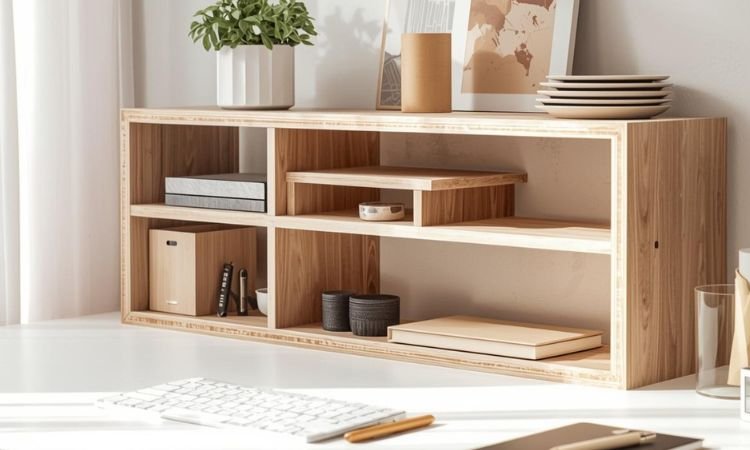
Your desk drawers are black holes where supplies disappear forever. You’ve got three staplers but can never find one when you need it. Papers, cords, random receipts, and mystery office supplies all jumble together in a mess that makes finding anything a 10-minute treasure hunt. You’ve tried organizing before but somehow it all falls apart within a week.
The problem isn’t you—it’s that most storage solutions don’t match how people actually work. Those cute desk organizers look great on Pinterest but fail in real life when your stuff doesn’t fit their predetermined slots. What you need is storage that works with your habits instead of fighting them.
I’m covering everything from drawer dividers and desktop organizers to vertical storage systems and hidden solutions. You’ll see which products actually earn their desk space, how to categorize supplies effectively, what mistakes waste money, and simple systems that stay organized without constant maintenance. These ideas work for real desks dealing with multiple projects, limited space, and the daily chaos of actual work.
What Makes Desk Storage Organization Work
Visibility Prevents Forgetting: When you can see what you have, you actually use it instead of buying duplicates or letting supplies languish. It’s like open shelving where visible items get used. The clear organization prevents the out-of-sight, out-of-mind problem.
Categories Beat Random Dumping: Grouping like items together creates logical systems your brain can follow automatically. It’s like grocery store layout where you know which aisle has what. The categorical thinking makes finding and returning items effortless.
Right-Sized Containers Matter: Storage that’s too big wastes space while too-small containers overflow creating mess. It’s like Goldilocks where fit determines function. The proper sizing maximizes capacity without encouraging hoarding.
Accessibility Matches Frequency: Daily-use items go in prime real estate while occasional supplies get stored further away. It’s like priority seating where importance determines placement. The strategic positioning reduces friction from your workflow.
Desk Storage Organization Ideas That Actually Keep Clutter Away
Maximize your desk efficiency with these desk storage organization ideas featuring practical solutions.
Drawer Divider System
Install adjustable drawer dividers creating designated zones for different supply categories. The compartments prevent the junk drawer effect where everything tangles together. It’s like property lines where boundaries maintain order.
Use expanding dividers fitting various drawer sizes or modular organizer trays customizing to your specific supplies. Group similar items—all writing tools together, all clips and fasteners separate, all tech accessories in one zone. This desk storage organization foundation keeps drawers functional instead of chaotic.
Vertical Desktop Organizer
Add a vertical organizer with multiple tiers holding frequently used supplies without consuming horizontal desk space. The upward design maximizes storage in your workspace footprint. It’s like building up instead of out where height becomes an asset.
Choose organizers with varied compartment sizes accommodating different items—slots for notebooks, cups for pens, trays for sticky notes. Position it within arm’s reach of your primary work area. This desk storage organization solution keeps essentials accessible while maintaining clear work surface.
Under-Desk Drawer Unit
Install a rolling drawer unit under your desk providing hidden storage that doesn’t clutter your desktop. The mobile unit can slide out when needed and tuck away when not in use. It’s like secret storage where capacity doesn’t mean visible mess.
Use top drawers for frequently accessed supplies and bottom drawers for archived materials or backup stock. Label drawers if sharing workspace with others. This desk storage organization addition dramatically increases capacity without affecting desk surface area.
Cable Management Box
Use a cable management box hiding power strips, excess cord length, and chargers in one contained unit. The enclosed system eliminates the visual chaos of tangled cables under your desk. It’s like hiding infrastructure where necessary ugliness gets contained.
Route cables through slots keeping only necessary length exposed. The box sits on the floor or mounts under your desk depending on style. This desk storage organization tool transforms one of the messiest desk areas into something actually manageable.
Pegboard Wall System
Mount a pegboard above or beside your desk creating customizable vertical storage for supplies and tools. The flexible system adapts as your needs change through repositionable hooks and containers. It’s like modular furniture where you reconfigure endlessly.
Hang frequently used items like scissors, headphones, notebooks, and small containers. Spray paint the pegboard matching your decor rather than leaving it hardware store brown. This desk storage organization approach works great for creative work or maker spaces.
Desktop File Sorter
Use a vertical file sorter organizing papers, folders, and notebooks by category or project. The upright design keeps materials accessible while consuming minimal desk footprint. It’s like filing cabinets scaled down where papers have proper homes.
Sort by urgency—active projects in front slots, reference materials in back. Clear out completed project files weekly preventing accumulation. This desk storage organization staple prevents the paper pile problem that buries most desks.
Monitor Stand With Storage
Replace a basic monitor stand with one featuring built-in storage underneath. The raised monitor improves ergonomics while the space beneath holds supplies. It’s like double duty where one item serves multiple functions.
Store flat items like notebooks, keyboards when not in use, or shallow supply trays. The space works great for items you use daily but don’t need visible constantly. This desk storage organization hack claims dead space under monitors for functional capacity.
Wall-Mounted Shelves
Install floating shelves above your desk storing books, binders, and decorative storage boxes off your work surface. The overhead storage keeps materials nearby without consuming precious desk real estate. It’s like going vertical where walls become useful.
Use the bottom shelf for most-accessed items and higher shelves for occasional-use materials. Add small bins or boxes containing loose supplies keeping shelves neat. This desk storage organization expansion provides serious capacity without touching desk footprint.
Desktop Drawer Organizer
Add small desktop drawers specifically for tiny items like paperclips, pushpins, USB drives, and business cards. The mini storage keeps small stuff from getting lost in regular drawers. It’s like jewelry boxes where tiny items get appropriate containers.
These compact units sit on your desk surface holding items you need frequently but that easily disappear. Choose styles matching your aesthetic—modern acrylic, rustic wood, or industrial metal. This desk storage organization detail prevents the frustrating hunt for small essentials.
Rolling Cart Side Storage
Position a rolling cart beside your desk providing flexible storage that moves when needed. The mobile unit works great for projects, craft supplies, or rotating task materials. It’s like having a assistant desk where overflow gets contained.
Use top tier for active projects, middle for supplies, and bottom for reference materials or equipment. Roll it away when you need floor space or under your desk when not in use. This desk storage organization solution adds major capacity while maintaining flexibility.
Making Desk Storage Systems Last
Label Everything Initially: Mark containers, drawers, and sections with contents helping you and others maintain the system. It’s like road signs where labels guide behavior. The clear marking prevents things from drifting to wrong spots.
Do Weekly Purges: Spend 10 minutes weekly removing items that don’t belong and clearing out trash or completed materials. It’s like maintenance where regular attention prevents major problems. The brief routine keeps organization from degrading.
Store By Use Frequency: Put daily items in prime spots, weekly items in secondary locations, and occasional items in storage zones. It’s like VIP access where importance determines placement. The strategic positioning reduces unnecessary reaching and hunting.
Limit What You Keep: Be ruthless about what deserves desk storage—if you haven’t used something in 3 months, move it to general storage or toss it. It’s like editing where removal often improves the whole. The selective approach prevents storage from enabling hoarding.
Frequently Asked Questions About Desk Storage Organization
What’s The Best Way To Organize Desk Drawers?
Start by completely emptying drawers and sorting contents into categories—writing tools, office supplies, tech accessories, papers, and miscellaneous. Toss anything dried out, broken, or unused in the past year. Install drawer dividers or organizer trays creating designated zones for each category preventing items from mixing into chaos.
Store most-used items in top drawers and less frequent items in bottom drawers following the frequency-of-use principle. Keep one drawer for active project materials that change regularly. Avoid overstuffing—if drawers are packed tight, nothing stays organized since you can’t easily return items to proper spots.
How Do I Organize A Desk With No Drawers?
Desktop organizers become essential when you lack drawer storage—use vertical file holders, tiered trays, pen cups, and small drawer units sitting on your desk surface. Add a rolling cart beside your desk providing drawer-like storage that’s mobile. Wall-mounted solutions like pegboards, floating shelves, and hanging organizers maximize vertical space.
Under-desk solutions help too—mount a keyboard tray with storage, add a rolling drawer unit, or use hanging pouches attached to desk edges. Keep only essentials on your actual desk surface storing everything else vertically or under the desk. The key is aggressive vertical thinking since you can’t go horizontal into drawers.
What Should I Store In Desk Organizers Versus Drawers?
Desk organizers should hold items you use multiple times daily—your go-to pens, current notebook, sticky notes, highlighters, and phone. These are grab-and-go items where visibility and immediate access matter most. The desktop placement eliminates friction from your workflow.
Drawers should store backup supplies, occasional-use items, and archived materials you need accessible but not visible constantly. This includes extra pens, staplers, tape, old project files, and supplies you use weekly rather than daily. The hidden storage prevents visual clutter while keeping items within reach when needed.
How Often Should I Reorganize My Desk?
Do light maintenance daily—a 2-minute end-of-day reset clearing your surface and returning misplaced items to proper spots. Weekly spend 10-15 minutes purging trash, filing papers, and reorganizing anything that’s drifted. These small regular efforts prevent major disorganization.
Complete reorganization should happen only when your current system stops working—maybe quarterly or twice yearly. If you’re reorganizing monthly, your system isn’t matching your actual work patterns. The goal is creating systems that maintain themselves with minimal ongoing effort through smart initial setup.
What Are The Biggest Desk Organization Mistakes?
The biggest mistake is buying cute organizers before understanding what you actually need to store. You end up with containers that don’t fit your supplies or work patterns. Start by sorting what you have, then buy storage solutions matching those specific items and quantities.
Other common mistakes include keeping too much stuff creating overstuffed storage that can’t stay organized, storing items where you won’t actually use them fighting natural workflow, and choosing form over function buying pretty organizers that don’t work practically. Avoid over-organizing—sometimes a simple cup beats a complicated 12-compartment system.
Creating Your Functional Desk Storage System
Desk storage organization ideas prove that maintaining clear, functional workspace isn’t about buying more stuff—it’s about systems matching how you actually work. The smart strategies create storage that reduces friction instead of adding it. I’ve found that well-organized desk storage becomes invisible, supporting your work without requiring constant attention.
Start by sorting what you actually have and purging ruthlessly. Choose storage solutions that fit your specific supplies and work habits. Position items based on use frequency keeping daily essentials most accessible. Build simple maintenance routines preventing the slow slide back into chaos. The thoughtful approach creates desk storage that genuinely helps rather than just looks organized in photos.
What’s your biggest desk storage frustration? Share your organization challenges below!